Furniture Procurement for Hotels and Villas: A Practical Guide for Developers
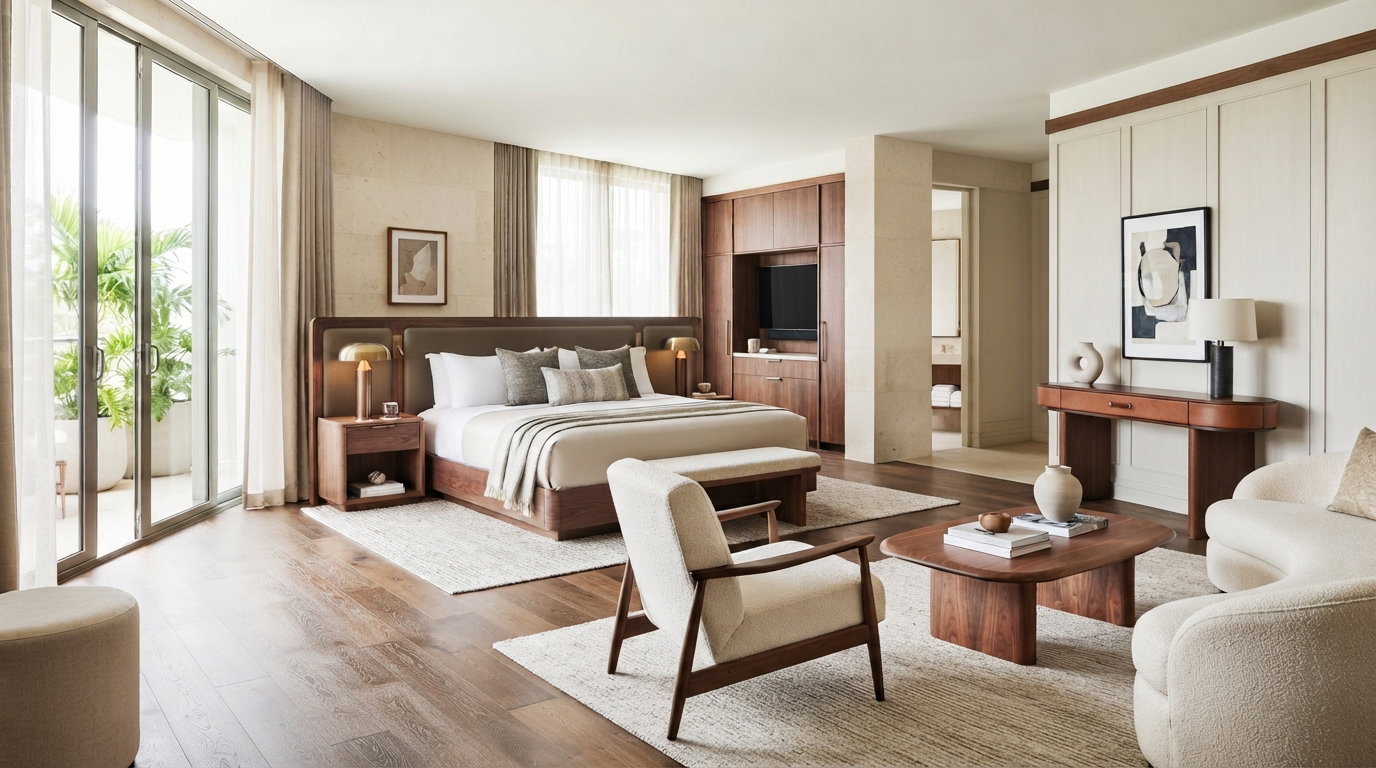
By Allline Hospitality & Interiors | Custom Furniture Manufacturer in Foshan, China
See Our Factory Capabilities →
Furniture procurement plays an important role in the success of hotel and villa developments. The right furniture must not only match the interior design concept but also meet project requirements for quality, functionality, durability, budget, and delivery. For developers, investors, designers, and procurement teams, choosing furniture for a large project is very different from purchasing individual pieces for a private property. Multiple rooms and areas may require coordinated furniture collections, consistent finishes, specific dimensions, and reliable production schedules. A structured procurement process can help reduce unnecessary costs, avoid delays, and ensure that the finished interiors achieve the intended level of quality.
1. Start With the Project Requirements
Before requesting furniture quotations, developers should establish clear project requirements. These may include the type of property, number of rooms, furniture quantities, dimensions, materials, finishes, colors, and expected delivery schedule. Hotels may require furniture for guest bedrooms, suites, lobbies, lounges, restaurants, corridors, and other common areas. Villas may require a different combination of bedrooms, living rooms, dining areas, entrance spaces, outdoor areas, and built-in furniture. Having a clear furniture schedule from the beginning makes it easier to compare quotations and ensures that suppliers understand the scope of the project. For larger developments, custom furniture for real estate projects can provide greater flexibility when standard retail furniture cannot meet the required dimensions, design, or project specifications.
2. Choose the Right Furniture Categories
A successful procurement strategy should distinguish between different furniture requirements .Loose furniture can include beds, bedside tables, sofas, chairs, coffee tables, dining tables, desks, wardrobes, and other movable pieces. Joinery and built-in furniture may include wall panels, headboards, TV units, bathroom cabinets, wardrobes, vanities, doors, and other integrated elements. Selecting the appropriate combination is particularly important in hospitality projects because furniture needs to work together visually while serving different functional purposes. Developers can explore different examples of hotel furniture collections to understand how individual furniture categories can be integrated into complete interior concepts.
3. Consider Materials and Finishes Carefully
Materials have a direct influence on the appearance, durability, maintenance, and cost of project furniture. Wood veneers, solid wood, plywood, MDF, metal, glass, stone, ceramic surfaces, fabrics, and other materials can be combined according to the requirements of the project. The most expensive material is not necessarily the best solution for every application. For example, high-use hotel furniture may require finishes that are resistant to regular cleaning and everyday wear, while luxury villas may place greater emphasis on distinctive finishes, textures, and customized details. Material selection should therefore balance design, performance, durability, availability, and budget rather than focusing only on appearance.
4. Request Detailed Specifications and Samples
Before approving mass production, developers and procurement teams should make sure that the furniture specifications are clearly defined. Important information can include dimensions, drawings, materials, colors, finish references, hardware, upholstery specifications, construction details, and quantities. Samples can also be valuable for confirming the actual appearance and quality of the furniture before a larger production order begins. This is particularly important when furniture needs to be produced in significant quantities because a small difference in color, material, proportion, or finishing can become much more noticeable across an entire hotel or villa development.
5. Compare Suppliers Beyond Price
Price is an important part of furniture procurement, but it should not be the only factor when comparing suppliers. Developers should also consider production experience, quality control, technical support, customization capabilities, communication, packaging, export experience, and the ability to manage project quantities. A lower initial quotation may not represent the best overall value if it results in inconsistent quality, production problems, replacement costs, or delivery delays. Working directly with an experienced custom furniture services provider can give project teams greater control over specifications, materials, production, and quality requirements.
6. Coordinate Furniture With the Interior Design
Furniture should be considered as part of the complete interior rather than as isolated products. Dimensions, proportions, finishes, colors, flooring, wall treatments, lighting, and architectural elements should work together. This is especially important in luxury hotels and villas, where furniture often contributes significantly to the visual identity of the space. For example, a bedside table should be coordinated with the bed, headboard, lighting, flooring, and other bedroom elements. Similarly, a console or accent furniture piece should complement the wall, flooring, artwork, and surrounding architecture. This coordinated approach helps create interiors that feel intentional, balanced, and consistent.
7. Plan Quality Control Before Production
Quality control should not begin only when furniture is ready for shipment. It should be considered throughout the project. Material inspection, production checks, finishing inspection, assembly verification, and final quality control can help identify problems before products leave the production facility. For developers handling large hotel or villa projects, working with experienced teams is particularly important because furniture procurement involves much more than simply producing individual products. The importance of skilled professionals and experienced teams behind successful hospitality projects is discussed in greater detail here.
8. Work With a Supplier That Understands Project Furniture
The ideal furniture supplier should understand the difference between producing individual furniture pieces and managing a complete project requirement. A project-oriented supplier needs to work with drawings, specifications, quantities, samples, approvals, production schedules, quality requirements, packaging, and shipping arrangements. This becomes even more important for international developments where communication and coordination between developers, designers, procurement teams, and suppliers can directly influence the final result. You can also learn more about the company, its capabilities, and its approach to hospitality and residential projects here.
9. Focus on Total Project Value
Successful furniture procurement is ultimately about achieving the right balance between cost, quality, design, functionality, and reliability. For developers, purchasing directly from an experienced furniture partner can create opportunities to customize products according to the project's requirements while maintaining better control over specifications and costs. A well-planned procurement strategy can help reduce unnecessary changes, minimize production risks, improve consistency, and contribute to a stronger final interior. For hotels and villas, furniture is not simply a collection of products. It is an important part of the project's overall design, functionality, and perceived value. At Allline Furniture, we provide custom furniture solutions for hotels, villas, apartments, and real estate projects, with project requirements considered from design and specification through production and quality control. A clear procurement strategy allows developers to make better decisions, select appropriate furniture solutions, and build interiors that combine practical performance with a strong design identity.
